
Buying a Vacation Home in Texas
Vacation Home & Second Home Mortgage Financing
Buying a vacation home can give you and your family a place to enjoy throughout the year while also adding another real estate asset to your financial portfolio. Whether you're considering a lake house, beach property, Hill Country getaway, condo, or another second home, Texas Premier Mortgage can help you compare financing options and determine the best way to structure your purchase.
Financing a vacation home can be different from financing your primary residence. The mortgage program, down payment, property type, intended use, credit profile, existing housing expenses, and overall financial situation can all affect your available options.
Texas Premier Mortgage works with multiple lenders and loan programs, allowing us to shop for competitive mortgage options based on your individual scenario.
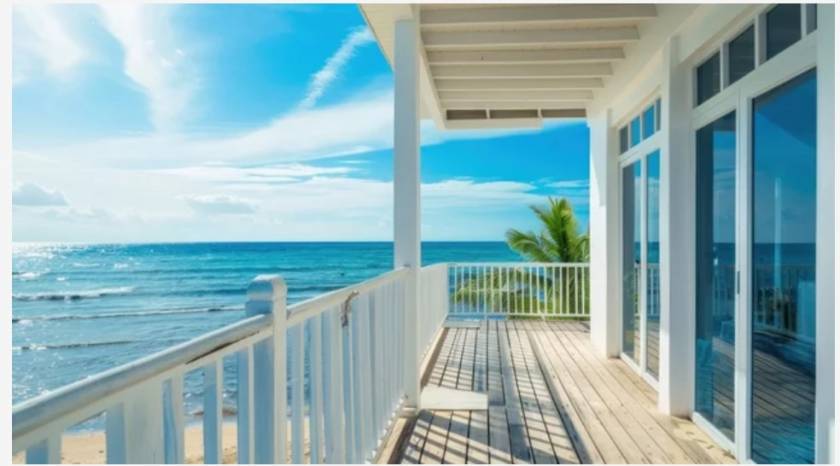
What Is Considered a Second Home?
For conventional mortgage financing, a second home generally needs to be a property you personally occupy for part of the year.
A qualifying second home is typically:
- A one-unit property
- Suitable for year-round occupancy
- Available for the borrower's personal use
- Under the borrower's exclusive control
- Not structured as a timeshare
- Not subject to an agreement that gives a management company control over occupancy
A second home does not necessarily have to be located hundreds of miles away from your primary residence. The overall circumstances and intended use of the property are reviewed when determining the appropriate occupancy classification.
Can I Rent Out My Vacation Home?
Possibly.
A property may still qualify as a second home even when some rental income is identified, provided the property otherwise meets second-home requirements and the rental income is not being used to qualify for the mortgage.
This distinction is important.
If the primary purpose of the property is generating rental income, the property may need to be financed as an investment property rather than a second home.
If you're planning to purchase a property that will also be listed on Airbnb, VRBO, or another short-term rental platform, talk with us before making an offer. We can review the intended use and determine whether second-home or investment-property financing is the better fit.
Second Home vs. Investment Property
One of the first things we determine is whether the property should be financed as a second home or investment property.
Second Home
A second home is primarily purchased for your personal use. Examples could include a family lake house, beach house, vacation condo, or weekend getaway.
Investment Property
An investment property is primarily purchased to generate rental income or investment returns.
The distinction matters because mortgage rates, down payment requirements, underwriting guidelines, reserve requirements, and qualifying rules can differ between second homes and investment properties.
Texas Premier Mortgage offers financing options for both.
How Much Do You Need to Put Down on a Vacation Home?
The required down payment depends on the mortgage program, borrower qualifications, loan amount, property type, and how the property will be used.
Instead of assuming you need a specific down payment, we recommend comparing several financing structures.
Putting more money down may reduce your monthly payment and potentially improve your loan terms, while putting less down allows you to retain more of your cash for reserves, improvements, furnishings, or other investments.
We can compare the numbers and help you determine which option makes the most financial sense.
What Does a Lender Consider When You Already Own a Home?
Because a vacation home is an additional property, qualifying generally includes your existing financial obligations along with the proposed new mortgage.
The lender may review:
- Current mortgage payments
- Property taxes
- Homeowners insurance
- HOA dues
- Car loans and other installment debt
- Credit card obligations
- Income and employment
- Available assets
- Funds needed for closing
- Required cash reserves
Owning another home doesn't prevent you from qualifying. It simply means the entire financial picture needs to be considered.
Vacation Home Loan Options
Depending on your situation, financing options may include:
Conventional Second Home Loans
Traditional conventional financing may be an excellent option for borrowers purchasing a property primarily for personal use.
Jumbo Vacation Home Loans
Purchasing a higher-priced vacation property? Jumbo financing may be available when the loan amount exceeds conventional conforming loan limits.
Asset-Based Qualification
Borrowers with substantial eligible assets may have additional ways to qualify for a second-home mortgage, depending on the loan program.
Bank Statement Loans
Self-employed borrowers who have difficulty documenting income through traditional tax returns may be able to qualify using personal or business bank statements.
Investment Property & DSCR Loans
If the property will primarily operate as a rental rather than a personal vacation home, an investment property loan may be more appropriate. DSCR programs can provide another option for real estate investors because qualification may be based primarily on the property's rental income rather than traditional personal income.
Buying a Vacation Home When You're Self-Employed
Self-employed borrowers often have excellent income and assets but don't always fit neatly into traditional mortgage underwriting guidelines.
Texas Premier Mortgage offers several programs designed for self-employed borrowers, including bank statement, profit-and-loss, asset-based, conventional, jumbo, and other alternative-documentation mortgage options.
We'll review both traditional and alternative financing strategies to determine which approach works best for your situation.
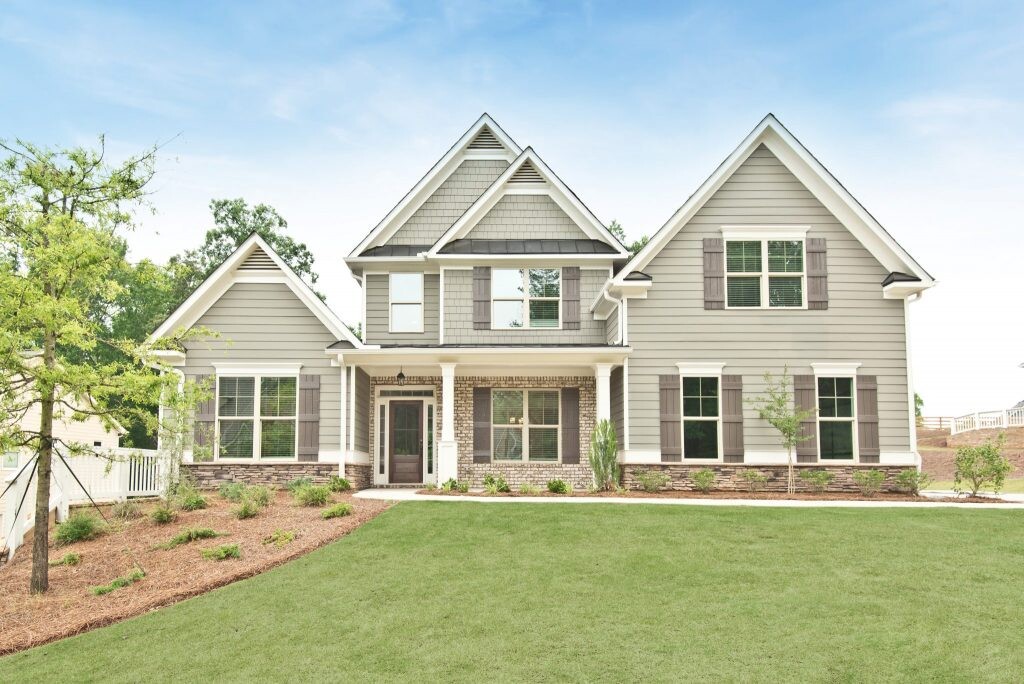
Vacation Homes and Short-Term Rentals
Short-term rentals have changed the vacation-home market considerably.
Some buyers want a property exclusively for their family. Others want to enjoy the home personally while occasionally renting it. Some buyers are purchasing specifically for Airbnb or VRBO income.
These scenarios aren't necessarily financed the same way.
Before choosing a mortgage, it is important to establish how you intend to use the property. A property purchased primarily as a rental may be better suited for investment-property or DSCR financing.
Getting this determination right from the beginning can prevent financing problems later in the transaction.
Expenses to Consider Before Buying a Vacation Home
The mortgage payment isn't the only expense to consider.
Depending on the property, your budget could also include:
- Property taxes
- Homeowners insurance
- Flood or windstorm insurance
- HOA or condominium dues
- Utilities
- Maintenance and repairs
- Furnishings
- Property management
- Lawn or pool maintenance
- Travel expenses
- Rental management fees
Coastal, waterfront, condominium, and resort properties can have additional insurance or HOA considerations, so these expenses should be evaluated early in the process.
Can a Vacation Home Build Long-Term Wealth?
Real estate can potentially appreciate over time, but appreciation is never guaranteed.
A vacation home can provide benefits beyond investment returns. You may have a property your family can enjoy for years while also building equity as the mortgage balance is reduced.
For some buyers, the combination of personal enjoyment, potential appreciation, and long-term ownership makes purchasing a second home attractive.
The important thing is making sure the purchase comfortably fits your overall financial plan.
Tax Considerations When Owning a Vacation Home
Tax treatment can vary considerably depending on how frequently you personally use the property and whether you rent it.
The IRS has specific rules regarding vacation properties that have both personal and rental use. Rental income, deductible expenses, mortgage interest, depreciation, and personal-use days can affect how the property is treated for federal tax purposes.
Because everyone's tax situation is different, we recommend discussing potential tax consequences with a qualified CPA or tax professional.
Why Work With Texas Premier Mortgage?
Texas Premier Mortgage is a Texas mortgage broker offering access to a wide variety of lenders and mortgage programs.
Instead of offering only the products available from a single bank, we can compare different lending options based on your financial profile and the property you're purchasing.
We offer financing for:
- Second homes and vacation homes
- Conventional mortgages
- Jumbo loans
- Bank statement loans
- DSCR investment property loans
- Asset-based mortgages
- Profit & Loss programs
- Self-employed borrowers
- Investment properties
- Primary residences
Whether you're purchasing your first vacation property or adding another property to your real estate portfolio, our goal is to make the financing process straightforward and help you understand your options before you make a decision.
Vacation Home Mortgage FAQs
Can I finance a vacation home as a second home?
Yes. If the property meets second-home occupancy requirements and is intended primarily for your personal use, conventional second-home financing may be available.
How much do I need to put down on a vacation home?
Down payment requirements vary based on the loan program, property, loan amount, credit profile, and other underwriting factors. We can compare multiple down payment options to determine what is available.
Can I buy a vacation home if I already have a mortgage?
Yes. Many vacation-home buyers already own a primary residence. The lender will evaluate your existing obligations along with the proposed new mortgage.
Can I rent my second home when I'm not using it?
Potentially. Conventional guidelines can allow rental activity under certain circumstances, but the property must still meet second-home requirements. If the property is primarily intended to generate rental income, investment-property financing may be more appropriate.
Can I Airbnb my vacation home?
Possibly, but your intended use needs to be reviewed before determining the appropriate loan type. Properties primarily operated as short-term rentals may need to be financed as investment properties.
Can rental income from my second home help me qualify?
Generally, rental income from a conventional second home cannot be used to qualify for the mortgage. If rental income is necessary for qualification, an investment-property or DSCR loan may be a better option.
Can I use a DSCR loan for a vacation rental?
If the property is being purchased primarily as an investment or rental property, a DSCR mortgage may be an option. Qualification is typically based primarily on the property's rental income and expenses rather than the borrower's traditional employment income.
Can self-employed borrowers finance a vacation home?
Yes. Depending on the situation, options may include conventional financing, jumbo loans, bank statement programs, asset-based programs, Profit & Loss loans, and other alternative-documentation mortgages.
Can I purchase a vacation home with an LLC?
A conventional second-home mortgage is generally made to individual borrowers. If the property is being purchased as an investment through an LLC, alternative investment-property or DSCR financing may be available.
Can I buy a condo as a vacation home?
Yes, provided the condominium and loan meet applicable lending requirements. Condo projects can have additional underwriting requirements, so reviewing the project early is important.
Can I buy a beach house as a second home?
Yes. Beach and coastal properties can potentially qualify as second homes.
Can I buy a lake house as a second home?
Yes. Lake houses are commonly purchased as second homes when the property meets applicable occupancy and underwriting requirements.
Are mortgage rates higher on second homes?
Second-home pricing can differ from primary-residence financing. Your actual rate depends on factors including credit, down payment, loan amount, property type, market conditions, and mortgage program.
Do I need cash reserves to buy a second home?
Depending on the loan program and your overall financial profile, additional reserves may be required. Reserves are assets remaining after your down payment and closing costs.
Is a vacation home considered an investment property?
Not necessarily. A genuine second home primarily intended for personal use can be financed as a second home. A property primarily purchased to produce rental income is generally considered an investment property.
Should I get pre-approved before shopping for a vacation home?
Yes. A pre-approval can help establish your price range, estimated cash requirement, and appropriate loan program before you begin making offers.
Get Pre-Approved for a Vacation Home
Thinking about buying a vacation home, lake house, beach property, second home, or vacation property? Texas Premier Mortgage can review your scenario and compare available mortgage programs before you make an offer. Whether you're purchasing the property for personal use, occasional rental use, or primarily as an investment, we'll help determine the appropriate financing strategy and explain your options.
For more information about buying a vacation home the benefits and loan options and how it may apply to you, please contact us direct or submit the "Quick Quote" form on this page.


